Ski ShopWomenMenKidsDiscover
SearchSign inus / enBag (0)

What is a Down Jacket?

Everything You Need to Know About this Winter Essential

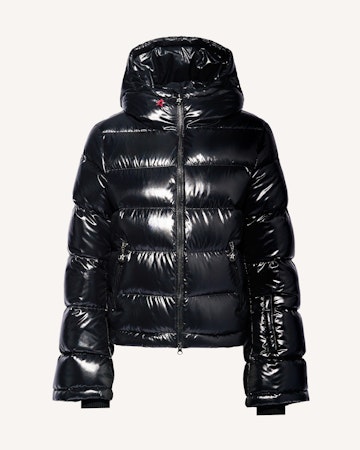
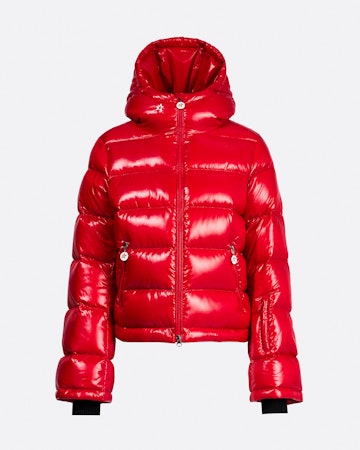
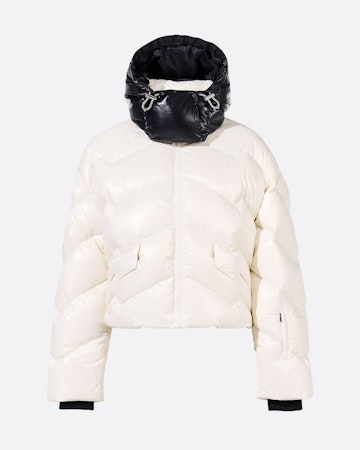
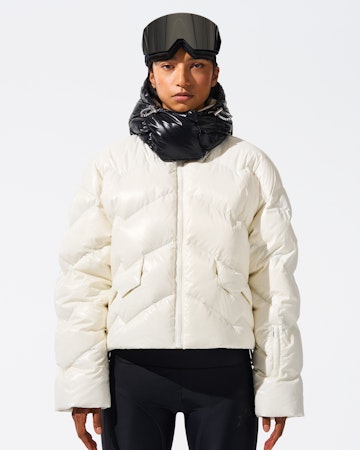
A down jacket is an essential piece of winter outerwear, designed to provide superior warmth, lightness, and comfort. Filled with the soft, fluffy insulation from ducks' or geese's undercoating and feathers, down jackets are the go-to option for those looking to stay warm without the bulk. 

Whether you're skiing, hiking, or braving the cold in the city, a down jacket offers an unbeatable combination of warmth and style. 

Explore our guide to understand what makes down jackets so special and how to choose the right one for your needs.

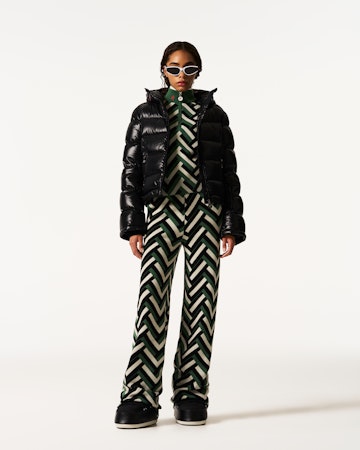
Make sure you’re dressed to impress the next time you take to the slopes.

Shop Down Jackets

WHAT IS A DOWN JACKET?

A down jacket is a type of insulated outerwear that uses the soft, fluffy under-feathers of ducks or geese as insulation. These feathers are incredibly efficient at trapping air, which helps retain body heat, making down jackets an excellent choice for cold weather. 

The balance of warmth and weight keeps the jacket lightweight and comfortable even in extreme weather conditions.

Down jackets are typically filled with a mix of down and feathers, with a higher down-to-feather ratio providing better insulation. The outer shell is often made of a durable, water-resistant fabric to protect the down from moisture, which can affect its insulating properties.

Sounds incredibly cosy, right?

WHAT IS A DOWN COAT?

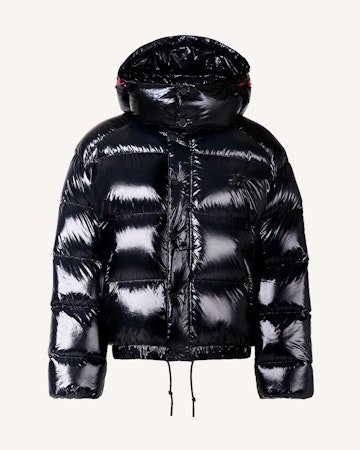
A down coat is similar to a down jacket but typically offers more coverage, extending further down the body for added warmth. 

While down jackets usually come to the waist or hips, down coats can extend to the thighs or even the knees, providing extra insulation to keep your entire body warm in extreme cold. 

Both down jackets and down coats offer excellent warmth, but the added length of a coat can make it more suitable for very cold climates or for those who need additional coverage during outdoor activities like skiing or snowboarding. Especially if you think you’ll be spending a fair amount of time sprawled out on the snow!

DOWN VS SYNTHETIC; WHICH ONE IS BETTER?

When choosing between a down jacket and a synthetic jacket, it’s essential to understand the differences in their materials and performance.

Down jackets

Provide superior warmth-to-weight ratios and are highly compressible, making them ideal for packing and traveling. They’re best suited for dry, cold conditions, as moisture can compromise the down’s insulating properties.

Synthetic jackets

Made from polyester or other man-made fibers, they are more water-resistant, making them a great option for wet or humid conditions. They don’t lose their insulating properties when wet, unlike down, which tends to lose its warmth when damp.

Which one is better? If you’re in need of maximum warmth and dry conditions, a down jacket is the best choice. If you want something more versatile and water-resistant for wet weather, a synthetic jacket may be the better option.

Explore Our Full Range of Jackets

ARE DOWN JACKETS THE WARMEST?

Yes, down jackets are considered the warmest option for cold-weather outerwear. The insulation from down feathers traps air and creates an effective barrier against cold temperatures. The higher the fill power of the down (the measure of the down's loft or fluffiness), the warmer the jacket will be. Jackets with a higher fill power offer more warmth without adding extra weight.

That being said, down jackets are best suited for dry, cold conditions. If you’re in an area that experiences rain or wet snow, you may want to choose a down jacket with a water-resistant outer layer or consider a synthetic option that performs well in wet weather.

HOW TO CHOOSE THE RIGHT DOWN JACKET

Choosing the right down jacket involves considering practical factors like warmth, fit, and intended use. However, it’s also important to make a statement with your skiwear choices (we are the experts in ski fashion).

Here are a few tips to help you make the right choice:

✔ Fill power: Look for jackets with a higher fill power for better warmth-to-weight ratios. A fill power of 600-800 is common for performance jackets.

✔ Fit: Ensure the jacket fits snugly but allows for layering underneath. A good fit helps trap heat without being too bulky.

✔ Shell fabric: Choose a jacket with a durable, water-resistant outer fabric to protect the down from moisture.

✔ Length: If you need extra warmth, a down coat with longer coverage will help protect more of your body from the cold.

Do you want a down jacket for post-skiing activities? Check out these stylish après-ski outfits.

HOW TO CLEAN A DOWN JACKET FAQs

What’s the difference between a down jacket and a down coat?

A down jacket typically ends at the waist or hips, while a down coat provides more coverage and extends further down the body, often reaching the thighs or knees. Down coats are ideal for extremely cold weather and outdoor activities that require more warmth.

Can a down jacket be worn in the rain?

While down jackets are incredibly warm, most are not fully waterproof. If you expect to be exposed to heavy rain, choose a jacket with a water-resistant outer layer or consider layering it with a waterproof shell. Synthetic jackets are often a better option for wet conditions.

How warm is a down jacket compared to a synthetic jacket?

Down jackets are generally warmer than synthetic jackets for the same weight. Down has a higher warmth-to-weight ratio and provides better insulation in dry, cold conditions. However, synthetic jackets perform better in wet conditions since they retain heat even when damp.

Are down jackets machine washable?

Yes, most down jackets are machine washable, but they require special care. Always follow the care instructions on the garment's label and use a gentle detergent to preserve the down’s insulating properties. Drying on a low heat setting or air drying is recommended to prevent damage to the down.

What is the meaning of fill power in a down jacket?

Fill power refers to the loft or fluffiness of the down, which indicates how much space the down fills when it is allowed to expand. The higher the fill power, the better the insulation and warmth-to-weight ratio of the jacket. Higher fill power jackets are lighter and warmer, with less down required for the same warmth.

Can a down jacket lose its warmth?

Yes, down jackets can lose their warmth if the down becomes wet. When down gets wet, it clumps together and loses its ability to trap heat. This is why down jackets should be kept dry, and it’s essential to choose a water-resistant jacket or use a synthetic alternative for wet conditions.

DISCOVER MORE